
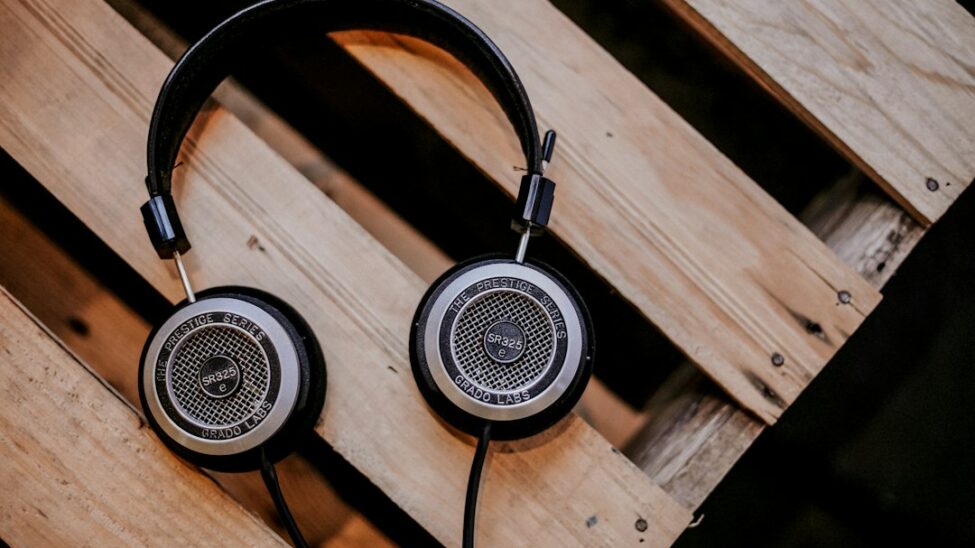
The Evolution of Headphones: A Journey Through Time
The world of headphones has undergone a remarkable transformation over the decades, evolving from simple audio devices to sophisticated pieces of technology that enhance our listening experience. As we delve into the evolution of headphones, we will explore the various stages of their development, the impact of technological advancements, and the current trends shaping the market today. This journey not only highlights the innovation in design and functionality but also reflects changing consumer preferences and behaviors in the audio landscape.
The Birth of Headphones
The inception of headphones can be traced back to the late 19th century, when the first pair was created by an inventor named Nathaniel Baldwin in 1910. These early headphones were bulky and primarily used by telephone operators and radio enthusiasts. Despite their rudimentary design, they laid the groundwork for future developments in audio technology. The initial purpose of headphones was to provide a personal listening experience, which has remained a core function even as the technology has advanced.
By the 1950s, headphones began to gain popularity among music lovers, particularly with the introduction of the first stereo headphones. This innovation allowed listeners to experience sound in a more immersive way, with distinct channels for left and right audio. The demand for better sound quality led to the development of various types of headphones, including dynamic and electrostatic models, catering to audiophiles and casual listeners alike. This era marked the beginning of headphones as a mainstream consumer product.
The Rise of Portable Audio
The 1970s and 1980s saw a significant shift in the headphone market with the advent of portable audio devices, such as cassette players and later, CD players. This period marked the transition from stationary listening to on-the-go experiences. Companies like Sony capitalized on this trend by introducing lightweight and compact headphones that appealed to a younger audience. The Walkman, launched in 1979, revolutionized personal music consumption and solidified the role of headphones as essential accessories for music lovers.
As portable audio devices became more prevalent, so did the demand for headphones that offered comfort and durability. Manufacturers began to experiment with materials and designs, leading to the creation of padded ear cups and adjustable headbands. This focus on ergonomics not only improved the listening experience but also encouraged longer usage times, further embedding headphones into the daily lives of consumers. The market for headphones expanded rapidly, with sales reaching approximately $3 billion in the United States by the late 1980s.
The Digital Revolution
The turn of the millennium brought about a digital revolution that transformed the way we consume music. The rise of MP3 players and later smartphones changed the landscape of audio consumption, leading to an explosion in headphone sales. According to recent market statistics, the global headphone market was valued at over $30 billion in 2021, with projections indicating continued growth as more consumers seek high-quality audio experiences. This shift has prompted brands to innovate, focusing on wireless technology and noise-cancellation features to meet the demands of modern listeners.
Wireless headphones, particularly those utilizing Bluetooth technology, have become increasingly popular due to their convenience and portability. The elimination of tangled wires has made them a preferred choice for commuters and active individuals. Furthermore, advancements in battery life and sound quality have enhanced the appeal of wireless models, making them a staple in the headphone market. Key Insight: As consumers prioritize convenience and quality, brands that invest in wireless technology and superior sound will likely dominate the market in the coming years.
Current Trends and Future Directions
Moreover, sustainability has become a significant consideration for consumers, prompting brands to explore eco-friendly materials and production methods. As awareness of environmental issues grows, companies that prioritize sustainability in their product offerings are likely to resonate with conscious consumers. The evolution of headphones is not just about technological advancements; it is also about adapting to the values and preferences of the modern consumer, ensuring that the journey of headphones continues to be dynamic and exciting.